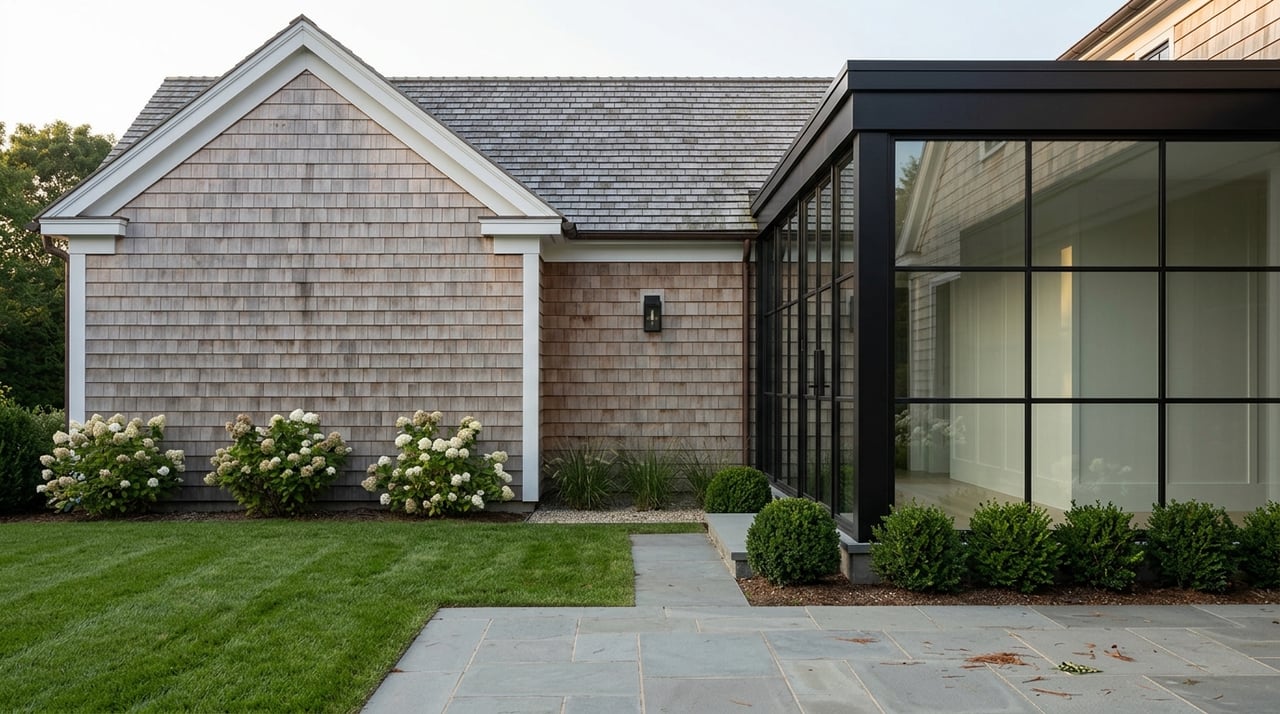
If you are drawn to Southampton, chances are you are looking for more than square footage. You are looking for a home with presence, a setting with lasting appeal, and a style that fits the way you want to live. In Southampton, that often means choosing between timeless historic character and the light-filled ease of modern design. This guide will help you understand both, so you can make a more confident move. Let’s dive in.
Southampton’s Architectural Story
Southampton’s housing landscape is shaped by centuries of change. The village was settled in 1640, incorporated in 1894, and saw major growth after the Long Island Rail Road arrived in 1872. That rail connection helped turn Southampton into a resort destination and supported a wave of estate building that still influences the area’s look today.
That history is not just background. The village and town both treat historic character as part of Southampton’s identity, economy, and appeal. When you walk through Southampton, you are seeing layers of architectural history, from early dwellings to resort-era homes to newer houses that reflect changing tastes and needs.
What Defines Historic Homes in Southampton
Historic homes in Southampton are not all one thing. They can include early settlement-era structures, late Victorian summer cottages, and larger traditional estates from the late 19th and early 20th centuries. The result is a varied but connected architectural story.
The village’s historic guide highlights landmarks like the Thomas Halsey Homestead and notes the importance of celebrated summer houses and the Old Burial Ground. For you as a buyer or seller, that means historic housing here is tied closely to local identity and streetscape, not just age.
Shingle Style in Southampton
One of the clearest lenses for understanding classic Southampton design is Shingle Style. This style often features asymmetrical facades, steep rooflines, broad porches, restrained ornament, and large interior spaces organized around a central hall or stair.
In everyday living, that often translates to homes that feel relaxed and generous rather than flashy. The main rooms may feel airy and welcoming, while the floor plan still keeps a sense of structure instead of a fully open layout.
Colonial Revival Features
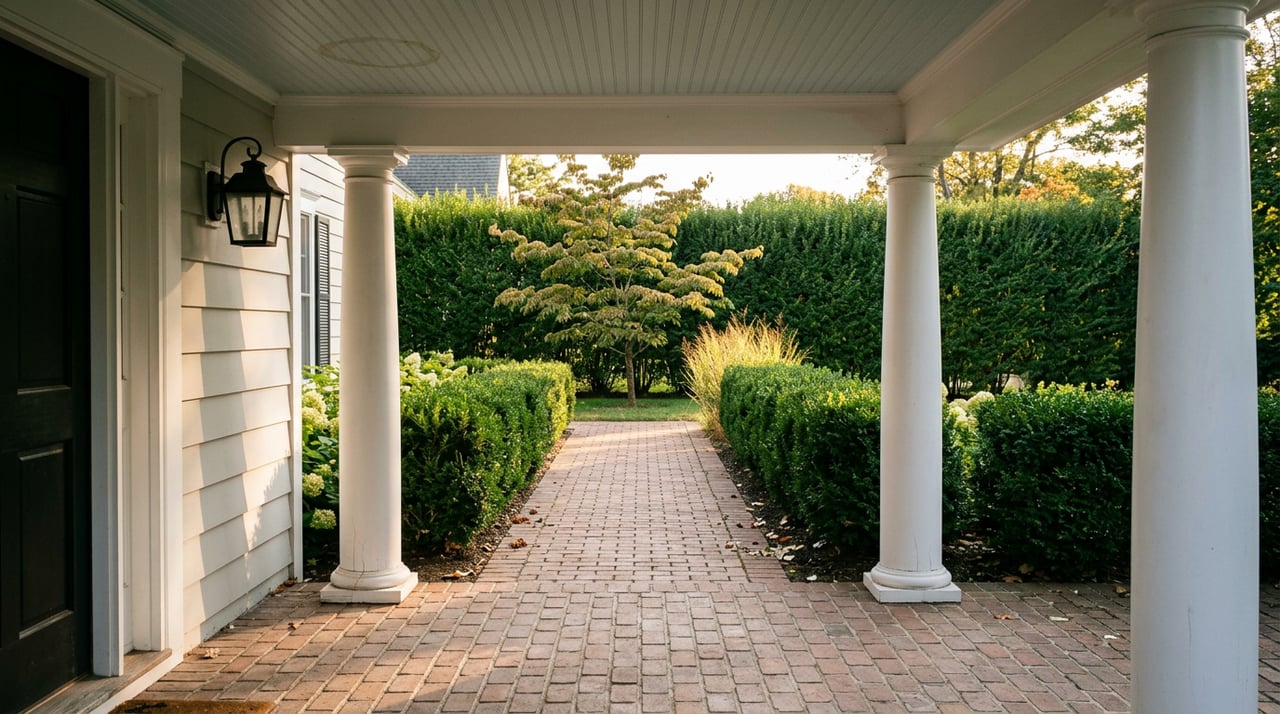
Colonial Revival homes bring a different kind of presence. They often use symmetry, centered entries, front porches, columns or pilasters, and formal window arrangements.
For you, that can mean a more orderly arrival and a room-to-room flow that feels traditional and defined. These homes often appeal to buyers who value balance, formality, and a classic East End look.
Outdoor Space Matters
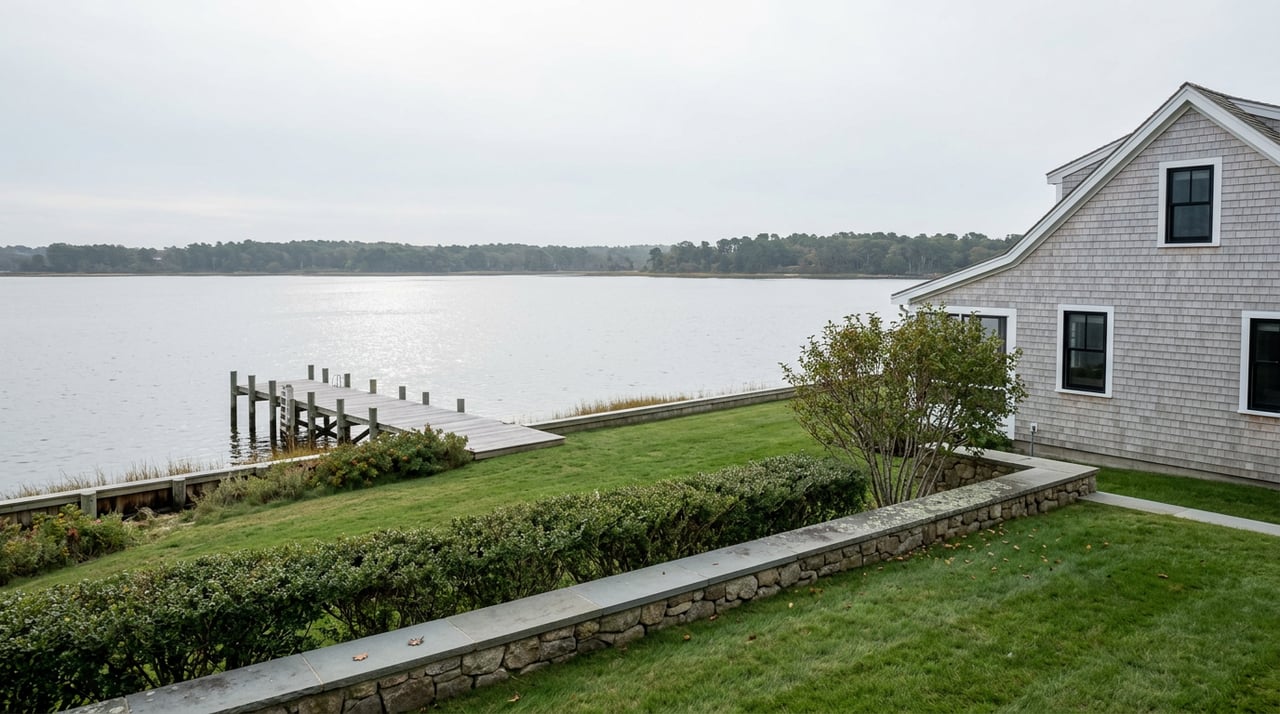
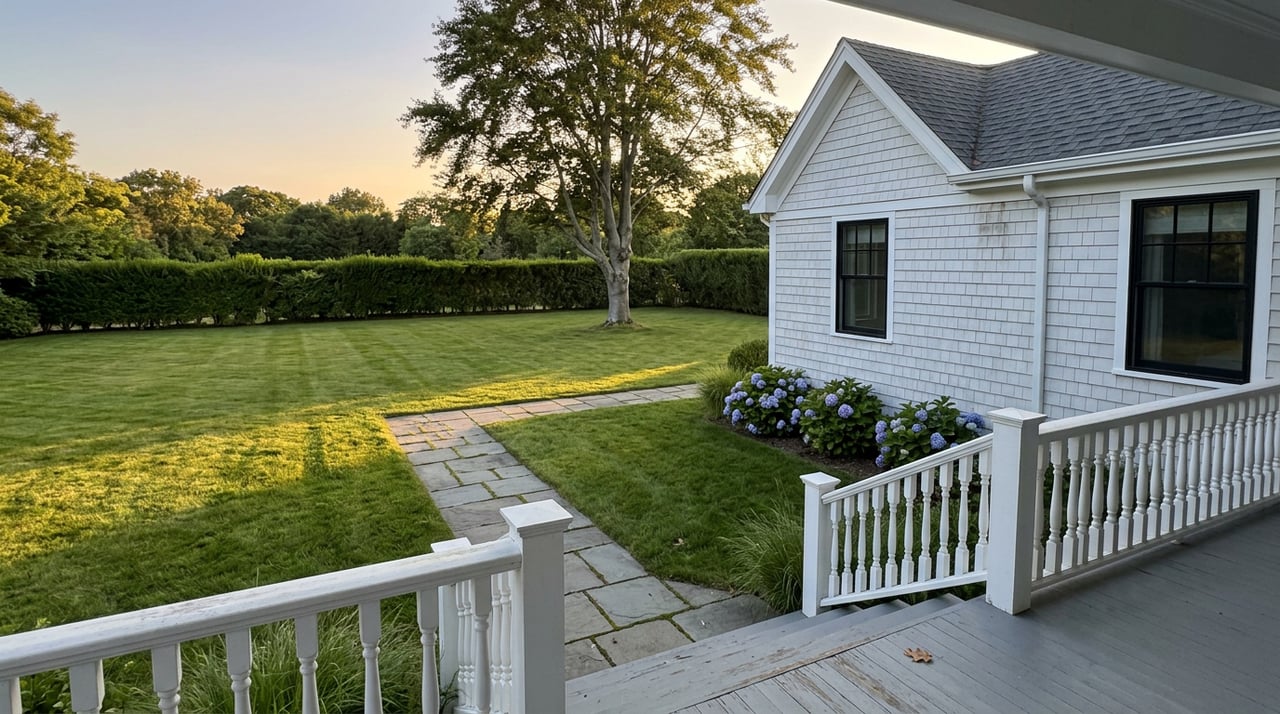
In historic Southampton homes, outdoor areas are often part of the design itself. Porches, lawns, and terraces are not afterthoughts. They extend the living space and support the indoor-outdoor rhythm that fits Southampton’s resort heritage.
That can be especially important if you picture summer entertaining, quiet mornings outside, or a home that feels connected to its landscape. In many older properties, the setting is part of the home’s appeal.
What Modern Homes Offer in Southampton
Southampton is not frozen in time. A village study documented a broad range of residential styles, including Colonial, Contemporary, Old Style, Post Modern, Ranch, Cape Cod, Cottage, Bungalow, and Townhouse. That range shows how historic and modern homes coexist in the local market.
Modern homes usually appeal to buyers who want brighter interiors, easier flow, and more flexibility. Design features often include generous glass, open floor plans, and stronger orientation toward rear gardens or outdoor entertaining areas.
Modern Design and Daily Living
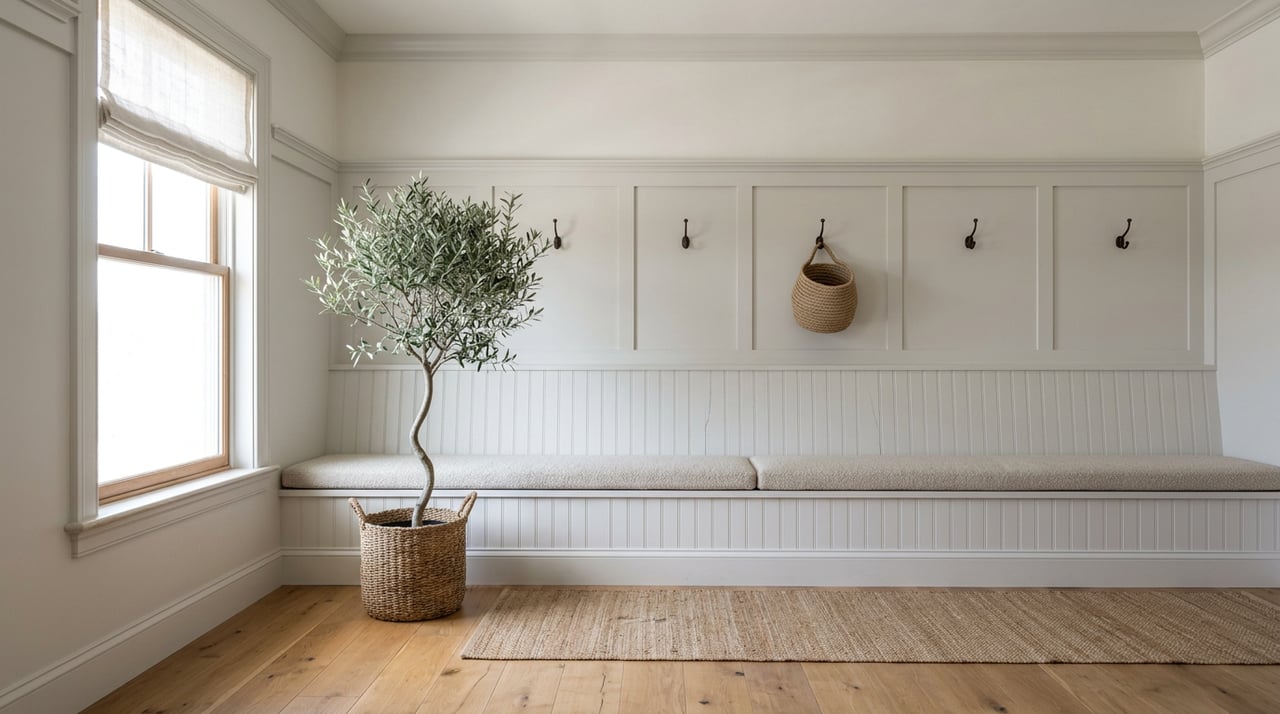
From a lifestyle standpoint, modern homes often feel easier to use for today’s routines. Kitchens may open directly to living and dining areas. Large windows can bring in more natural light and strengthen the connection to the yard, terrace, or pool area.
If you entertain often or want a more casual layout, this can be a major advantage. Many buyers also appreciate the cleaner lines and simpler transitions between indoor and outdoor spaces.
New Construction in a Historic Setting
In Southampton, newer construction still needs to respond to context. The Village Comprehensive Plan says new buildings in historic districts should complement the surrounding historic buildings. It also notes that some newer homes fit well, while others fall short because of materials or design choices.
That means modern does not automatically mean out of place. The strongest newer homes tend to respect neighborhood scale, massing, and materials while still offering a more current way of living.
Historic vs. Modern: How to Compare
If you are deciding between a historic home and a modern one, the real question is often how you want to live. Both can be beautiful. The better fit depends on what you value most day to day.
| Feature | Historic Homes | Modern Homes |
|---|---|---|
| Layout | More defined rooms and central circulation | More open flow and flexible living areas |
| Character | Strong architectural identity and period detail | Clean lines and contemporary feel |
| Outdoor Connection | Porches, lawns, and traditional terraces | Large glass openings and rear-yard focus |
| Review Considerations | Exterior changes may require local review | New work may still need to fit local context |
| Buyer Appeal | Often prized for charm and streetscape presence | Often prized for convenience and light |
This is where local insight matters. A home that looks ideal online may live very differently in person, especially in a place where architecture, setting, and review rules all shape value.
What Buyers Should Know
For buyers, the biggest tradeoff is often character versus flexibility. Historic homes can offer a sense of place that is hard to replicate, along with porches, detailing, and a close relationship to Southampton’s traditional streetscape.
At the same time, exterior work on a historic property may require more review and documentation. The Village Historic District was created in 1989 and later expanded, and visible exterior changes within the district are reviewed by the Board of Architectural Review and Historic Preservation.
Local Review Is Important
One detail matters here. National Register listing does not itself place specific restrictions on private owners, according to the village guide. But Southampton’s local rules do govern visible exterior work within the district.
So if you are considering a historic property, it is worth understanding not just the home’s style, but also what kind of future updates may involve local review. That can affect your timeline, planning, and renovation goals.
Review Can Be Detailed
The village’s application checklist shows how specific the process can be. Depending on the project, applicants may need paint samples, siding and roof samples, window and door details, streetscape analysis, a landscape plan, construction methodology, and even structural or historic consultant reports.
That does not mean you should avoid historic homes. It simply means you should go in with a clear view of what ownership and future changes may involve.
What Sellers Should Consider
If you are selling a Southampton home, presentation and context both matter. Original shingles, windows, porches, and the overall landscape setting can be meaningful assets, especially when they support the home’s fit within the broader character of the area.
On the other hand, additions or replacement materials that feel out of step with that context can weaken the overall impression. In Southampton, buyers are often responding to more than interiors alone. They are also paying attention to how the house sits on the land and how it relates to the surrounding streetscape.
Design-Led Presentation Makes a Difference
This is one of the clearest places where thoughtful preparation helps. Whether your home is historic or modern, strong presentation can highlight what makes it valuable. For a historic house, that may mean drawing attention to porches, symmetry, texture, and setting. For a modern home, it may mean emphasizing light, flow, and indoor-outdoor living.
A design-savvy marketing approach can help buyers understand not just what the home is, but how it lives. In a market like Southampton, that lifestyle story matters.
Why Southampton Buyers Value Both Styles
The appeal of Southampton is that it offers both continuity and change. You can find homes that connect directly to the village’s long architectural history, and you can also find newer homes designed for modern entertaining and easier day-to-day living.
Neither is automatically better. A historic home may give you lasting character and a strong sense of place. A modern home may give you more flexibility and a layout that fits current habits more naturally.
The right choice comes down to your priorities, your timeline, and how you want your home to function year-round or seasonally. If you are buying or selling in Southampton, it helps to have guidance from someone who understands both the design details and the local market context.
If you are thinking about buying, selling, or preparing a Southampton home for the market, Natalie Lewis can help you evaluate style, presentation, and positioning with a design-forward local perspective.
FAQs
What styles of historic homes are common in Southampton?
- Southampton’s historic housing includes early settlement-era homes, late Victorian summer houses, traditional estates, Shingle Style homes, and Colonial Revival homes.
What makes modern homes in Southampton different from historic homes?
- Modern homes in Southampton often offer open floor plans, larger glass areas, brighter interiors, and stronger indoor-outdoor flow, while historic homes tend to have more defined layouts and period character.
What should buyers know about Southampton historic district rules?
- In Southampton’s historic district, visible exterior changes are reviewed locally by the Board of Architectural Review and Historic Preservation, even though National Register listing alone does not impose specific restrictions on private owners.
What should sellers highlight when marketing a Southampton historic home?
- Sellers should highlight features such as original shingles, windows, porches, landscape setting, and the home’s relationship to Southampton’s established architectural character.
Are new homes allowed in Southampton historic areas?
- Yes, but the village’s planning framework says new construction in historic districts should complement surrounding historic buildings in scale, materials, and overall design context.