If you are thinking about selling in Westhampton, timing, pricing, and presentation can shape your result more than almost anything else. This is a market with a strong seasonal rhythm, wide public pricing ranges, and buyers who often start their search online before they ever step inside a home. When you understand what matters locally, you can avoid costly delays and bring your home to market with confidence. Let’s dive in.
Understand the Westhampton market
Westhampton is part of the Town of Southampton, where tourism and the vacation-home industry play a major role in the local economy. That seasonal backdrop affects when buyers are active, how listings are viewed, and why launch timing matters so much.
It also means your sale should be planned for the market you are actually in, not the market next door. Even within the same East End corridor, pricing can shift quickly from one community to another. For example, recent public data showed Westhampton Beach with a much higher median sale price than Westhampton, which is why hyperlocal analysis is so important.
Public pricing snapshots in Westhampton also tell different stories. As of May 31, 2026, Zillow’s home value index for Westhampton was $1,384,185, Redfin’s rolling three-month median sale price was $1,249,252, and Realtor.com showed a median listing price of about $2.3 million with homes selling for roughly 95% of asking in May 2026.
The takeaway is simple. You should not rely on a single headline number when planning your sale. A strong pricing strategy starts with recent closed sales, local competition, and condition-adjusted comparable properties.
Build your pricing around local comps
In Westhampton, pricing discipline matters. Public data suggest that homes are not always selling at list price, and current market pace points to a more measured process than many sellers expect.
Redfin reported that Westhampton homes took about 148 days to sell over the last three months. Realtor.com also showed homes selling for about 95% of asking. That combination suggests you should prepare for negotiation, inspection-related conversations, and possible price discussions rather than assume a fast bidding-war outcome.
This is where a thoughtful advisor can make a real difference. Natalie Lewis approaches pricing with both market integrity and presentation strategy in mind, so your asking price supports the home’s condition, story, and likely buyer pool instead of chasing an aspirational number that can weaken momentum.
Prepare documents before listing
One of the smartest ways to create a smoother sale is to gather your records early. In New York, the Property Condition Disclosure Act requires most sellers of residential real property to deliver the disclosure statement before a binding contract of sale.
The current disclosure form asks about issues that are especially relevant in coastal and low-lying areas. These include flood zones, flood insurance, wetlands, drainage, septic or cesspool systems, lead plumbing, radon, water penetration, and certificates of occupancy.
For many Westhampton sellers, this means your pre-listing checklist should go beyond standard paperwork. It helps to locate key records before your home goes live so you are not scrambling after a buyer shows serious interest.
Key records to gather early
- Property condition disclosure information
- Flood map details, if applicable
- Flood insurance records, if applicable
- Elevation certificates, if available
- Drainage history or documentation
- Septic or cesspool information
- Wetland-related records, if applicable
- Certificates of occupancy
- Renovation and improvement permits
- Records for decks, pools, spas, or accessory structures
Check permits and certificates of occupancy
Before listing, confirm that any additions or improvements were properly permitted. In Westhampton, this can include renovations, accessory structures, decks, pools, spas, and other exterior or interior work.
The Town of Southampton’s updated certificate-of-occupancy process requires a final inspection and states that all open building permits must be finalized before an updated certificate of occupancy can be issued. If your property has unfinished permit history, that can slow down your sale or create friction during due diligence.
A proactive review now can save you time later. It can also make your listing more attractive to buyers who want a cleaner path to contract and closing.
Address coastal and land-use issues
Westhampton sellers should pay close attention to site-related concerns, especially if the home is near the water or in a lower-lying area. The Town of Southampton’s Department of Land Management enforces local rules related to coastal erosion hazard areas, flood damage prevention, freshwater wetlands, and zoning.
That does not mean every seller will face major issues. It does mean that details like drainage history, shoreline work, elevation information, and wetland-related improvements may matter more here than they would in other markets.
When these items are reviewed early, you can market the property with more clarity and respond to buyer questions with better documentation. That helps build trust and can reduce avoidable surprises during the transaction.
Make presentation part of your strategy
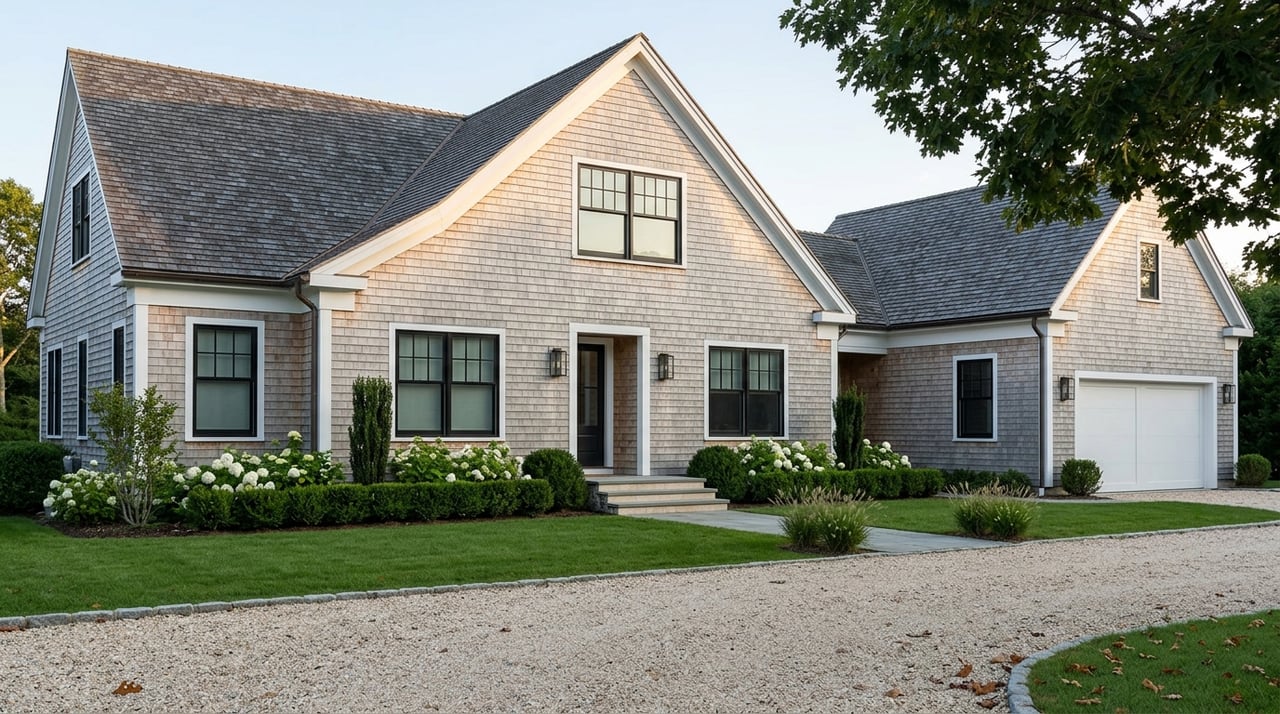
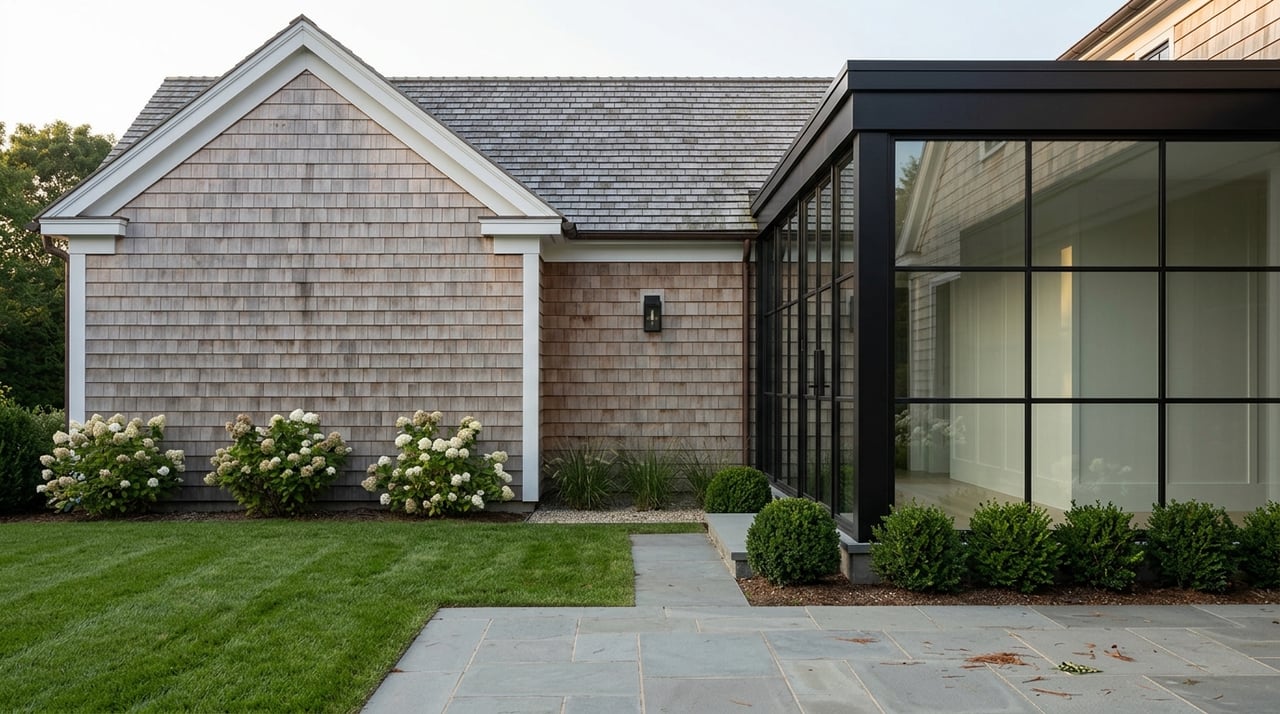
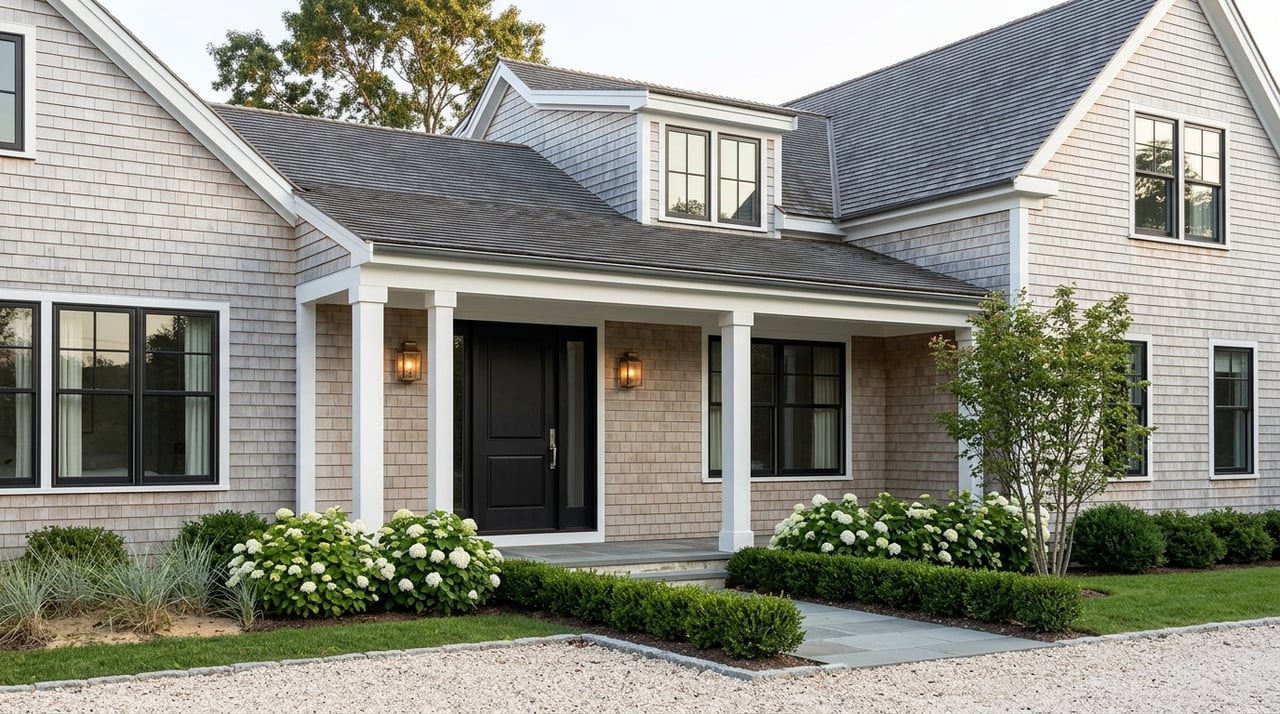
In a market like Westhampton, presentation is not a finishing touch. It is part of the sales strategy. Buyers often begin online, and the first impression they get is shaped by photography, styling, room flow, and how well the home communicates its lifestyle.
National research from 2025 helps explain why this matters. NAR reported that 43% of buyers began the process by looking online, and about nine in ten buyers and sellers worked with a real estate agent. Sellers also said their top priorities were marketing the home, pricing competitively, and selling within a specific timeframe.
For Westhampton homeowners, that points to a clear formula. You want polished marketing, a disciplined asking price, and a launch plan built around how buyers actually shop.
What staging can do for your sale
According to NAR’s 2025 staging study:
- 83% of buyers’ agents said staging made it easier for buyers to visualize the home
- 49% of sellers’ agents said staging reduced time on market
- 29% said staging increased the dollar value offered by 1% to 10%
In practical terms, that often means handling the basics exceptionally well. Decluttering, light repairs, fresh paint where needed, strong photography, and thoughtful room-by-room presentation can all improve how your home competes online and in person.
This is also where Natalie’s design and construction background can be especially valuable. Her approach is hands-on and design-led, helping you make smart presentation choices that support pricing and strengthen your listing from day one.
Launch with realistic expectations
A successful launch is about more than putting your home on the market. It is about making sure the home is ready, the pricing makes sense, and the listing tells a consistent story.
Because public Westhampton data show a meaningful spread between estimated value, list prices, and closed-sale prices, presentation should support the right price rather than try to justify the wrong one. A polished listing can absolutely improve your result, but it works best when paired with local pricing realism.
That is especially true in a seasonal market. If you miss the right launch window or go live before the home is fully ready, you may lose early attention from serious buyers who are comparing multiple East End options at once.
Plan ahead for negotiation and closing costs
When offers begin to come in, it helps to understand the transaction costs that may shape the conversation. In New York, the state real estate transfer tax is $2 for every $500 of consideration above $500, and the grantor is normally responsible for payment.
Residential sales of $1 million or more can also trigger the 1% mansion tax, which New York imposes on the grantee. While that is generally a buyer-side tax, it can still affect negotiation and overall affordability in a market like Westhampton, where many properties cross that threshold.
Locally, the Town of Southampton states that its Community Preservation Fund tax is a 2.5% transfer tax on all real property in the town. Town materials say it is generally paid at closing, collected by the title closer, and filed with the Suffolk County Clerk.
Why this matters during negotiations
These costs can shape how buyers evaluate the full purchase. They can also influence how you think about net proceeds, offer strength, and closing strategy.
That is why a successful sale is not only about getting the highest number on paper. It is also about understanding the economics of the deal, responding strategically to credits or repair requests, and keeping the transaction moving toward closing.
Work with a strategy, not just a listing date
Selling in Westhampton is rarely a one-step process. It usually involves pre-listing preparation, record gathering, permit review, design decisions, pricing analysis, launch timing, and then steady negotiation once buyers engage.
When each of those pieces is handled with care, your home is better positioned to stand out in a competitive coastal market. You also reduce the chances of delays that can come from missing documents, unfinished permit issues, or a rushed launch.
If you want a sale plan that reflects Westhampton’s local rhythm and your home’s unique strengths, working with a design-savvy, hands-on advisor can make the process far more focused and effective. If you are preparing to sell in Westhampton, connect with Natalie Lewis for a personalized valuation and a thoughtful launch strategy tailored to your property.
FAQs
What is the best way to price a home sale in Westhampton?
- The best approach is to base pricing on recent closed sales, condition-adjusted local comps, and current competition in Westhampton rather than relying on one online estimate.
What disclosures should sellers prepare for a Westhampton home sale?
- New York’s Property Condition Disclosure Act requires most sellers to provide a disclosure statement that addresses items such as flood zones, flood insurance, wetlands, drainage, septic or cesspool systems, radon, water penetration, and certificates of occupancy.
Why do permits matter when selling a Westhampton house?
- Permit history matters because the Town of Southampton requires final inspections and says open building permits must be finalized before an updated certificate of occupancy can be issued.
How important is staging for a Westhampton property sale?
- Staging can be very important because national 2025 research found that it helps buyers visualize the home, may reduce time on market, and can increase the dollar value offered.
What taxes should sellers know about in a Westhampton real estate transaction?
- Sellers should understand New York’s real estate transfer tax and the Town of Southampton’s 2.5% Community Preservation Fund tax, while also recognizing that the 1% mansion tax may affect buyer affordability on qualifying sales.
How long can it take to sell a home in Westhampton?
- Recent Redfin data showed Westhampton homes taking about 148 days to sell over the last three months, so it is wise to plan for a more measured timeline and thoughtful negotiation process.