Wondering what makes one Hamptons seasonal rental book quickly while another sits? In Remsenburg-Speonk, the difference often comes down to preparation, presentation, and knowing how this quieter pocket of the East End fits into the larger rental market. If you want to turn your home into a standout seasonal rental, you need more than pretty photos. You need a smart plan that starts with compliance, highlights the right lifestyle, and meets what renters are actively searching for. Let’s dive in.
Why Remsenburg-Speonk Appeals to Seasonal Renters
Remsenburg-Speonk sits within the Town of Southampton on Long Island’s South Fork, with a small hamlet center, a commercial corridor along Montauk Highway, and a historic train station. Local planning materials also emphasize preserving the area’s residential character. For renters, that creates a very different story from busier village locations.
The appeal here is often about privacy, calm, and convenience. Instead of selling a dense, walkable nightlife experience, your home is better positioned as a peaceful East End retreat with easy access to the broader Hamptons. That difference matters when you shape your photos, pricing, and listing language.
Start With Southampton Rental Rules
Before you think about styling, photography, or marketing, make sure your home can legally be rented. In Southampton Town, a dwelling cannot be occupied, rented, leased, subleased, or otherwise used as a rental property without a valid rental permit.
That permit is not optional, and timing matters. Southampton Town says permits are valid for two years, but a new owner must get a new permit. The Town also notes that the process usually takes about 1 to 3 weeks during much of the year and closer to 2 to 4 weeks during the busy summer season.
Know the 14-Day Minimum
Southampton Town currently requires a minimum stay of 14 days and has no maximum stay period listed in its FAQ. That rule shapes your rental strategy right away. Your target guest is not a weekend traveler. It is someone looking for a true seasonal stay or a multiweek East End escape.
Do Not Advertise Too Early
Southampton Town’s code is clear that a property may not be listed, advertised, shown, or offered for lease without an active rental permit. Any advertisement must also include the rental permit number.
That means your launch timeline should begin with permitting, not photography day. If you market too soon, you risk violations, suspension or revocation, and fees. A polished rollout only works when the legal details are already in place.
Match Marketing to the Legal Use
Southampton Town limits a rental property to one family and requires occupancy to match the certificate of occupancy. The code also caps overnight parking at four cars between 1:00 a.m. and 6:00 a.m., limits basement bedrooms, and sets bedroom occupancy by room size.
Your listing should reflect the home exactly as it is legally approved. If the certificate of occupancy supports a certain bedroom count, that is the number you should market. Clear, accurate copy protects you and creates a better guest experience.
Understand the Taxes Before You Rent
If your rental is structured as short-term lodging of less than 30 days, Suffolk County says you must collect a 5.5% occupancy tax and register within 10 days of the first rental. Suffolk County also states that stays of 30 or more consecutive days are exempt from the county occupancy tax.
New York State says that, effective March 1, 2025, state and local sales tax applies to short-term rental unit occupancy when the rental rate is more than $2.00 per unit per day. A guest becomes a permanent resident after 90 consecutive days. If a booking service facilitates the short-term rental occupancy, that service is responsible for collecting New York State and local sales tax and any applicable unit fee.
Because rental structure affects tax treatment, it helps to think through your ideal lease length before you go to market. In Remsenburg-Speonk, the 14-day minimum already points many owners toward longer seasonal stays rather than quick turnover rentals.
Position Your Home for This Micro-Market
The Hamptons rental market is not one single market. Realtor.com’s February 2026 reporting says February and early March are the traditional window for serious renters, and many of the best homes never hit the public market.
That is especially important in a place like Remsenburg-Speonk. Your home is not competing by pretending to be oceanfront or steps from a village center. It stands out when it feels turnkey, private, easy, and beautifully presented.
Lead With Quiet Luxury
If your home has been renovated, updated, or thoughtfully styled, make that part of the story. Realtor.com reports that renovated homes with pools tend to rent first.
In this area, renters are often looking for a place that feels settled and effortless from the moment they arrive. A clean design palette, uncluttered rooms, strong outdoor living space, and a ready-to-enjoy feel can all support that impression.
Highlight Convenience Honestly
Southampton Town’s hamlet profile supports a narrative centered on residential calm and practical access. So instead of broad claims about a classic Hamptons lifestyle, focus on what your home actually offers.
Useful examples include:
- Private outdoor space
- Easy driveway parking
- Pool or patio setup
- Straightforward check-in
- Access to nearby East End destinations by car
- A comfortable setup for multweek summer use
Specificity builds trust. It also helps renters imagine how the home will function for their stay.
Prioritize the Amenities Renters Want Most
Airbnb’s 2025 amenity data shows that renters most often search for pool, Wi-Fi, free parking, air conditioning or heating, kitchen, hot tub, washer or dryer, self check-in, TV or cable, and BBQ grill. Guests also expect basics like toilet paper, soap, towels, pillows, and linens.
For a Remsenburg-Speonk home, certain amenities may carry extra weight because the area is more car-dependent and residential. Parking, outdoor dining, pool access, and a simple arrival process can shape a guest’s first impression in a big way.
Focus on High-Impact Upgrades
You do not need to overcomplicate the home to improve rental appeal. In many cases, the best returns come from making core features feel easy to use, easy to photograph, and easy to understand.
Consider prioritizing:
- Reliable high-speed Wi-Fi
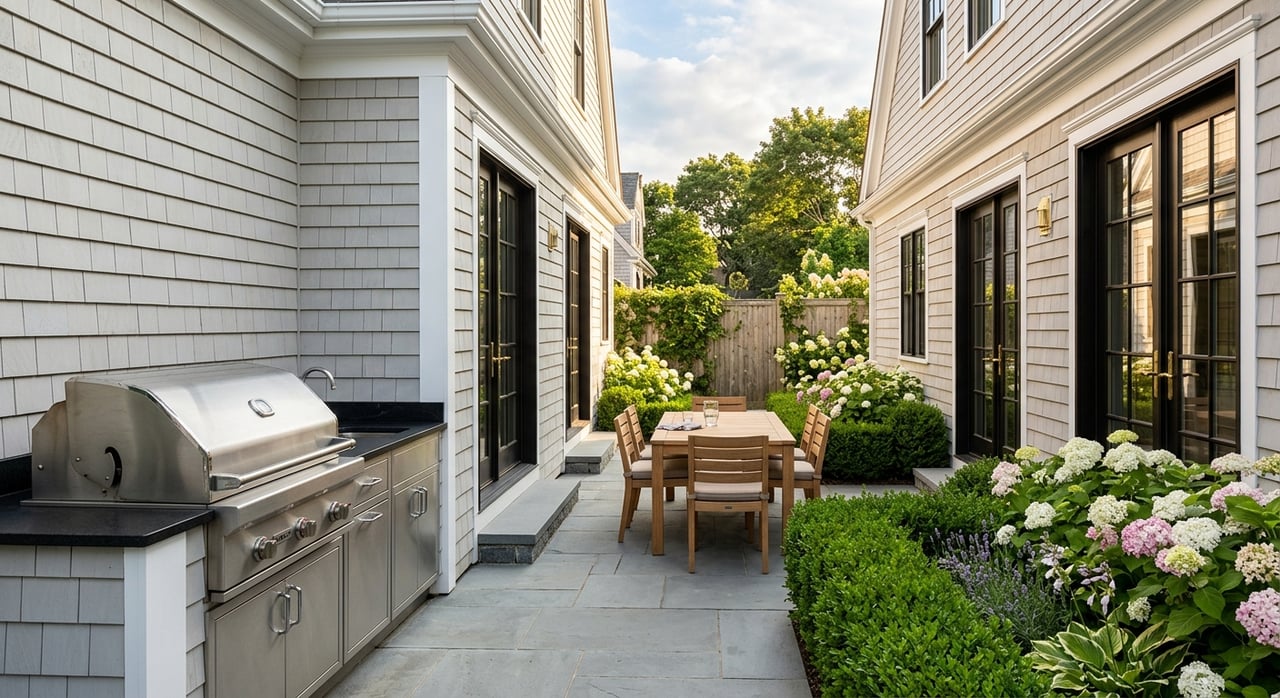
- A clearly defined outdoor dining area
- Fresh pool furniture or patio seating
- A grill in good working order
- Crisp linens and stocked essentials
- Simple, well-lit entry access
- Washer and dryer usability
- Thoughtful air conditioning coverage
If the home works well for remote work, Airbnb recommends highlighting fast reliable Wi-Fi, a dedicated workspace, good lighting, and ergonomic support. If it is pet-friendly or set up well for families, those details should be explicit in both the photos and the written description.
Use Design to Create a Stronger First Impression
Presentation matters in every East End market, but it matters even more in seasonal rentals because guests are buying a short, emotionally driven experience. They want to picture themselves arriving, settling in, and enjoying the home right away.
This is where design direction can make a real difference. A well-prepared rental often feels lighter, calmer, and more functional, even before a guest reads the full description.
Style for Space and Flow
Aim for rooms that look open, natural, and easy to use. Remove visual clutter, simplify furniture layouts, and make each room’s purpose obvious.
Your goal is not to over-style the home. It is to show a clear flow from indoor living to outdoor living, especially if the property has a lawn, patio, or pool. That sense of ease is part of what renters are paying for.
Make the Outdoor Areas Work Harder
In a seasonal rental, outdoor living is part of the product. If you have a pool, lawn, patio, grill area, or dining setup, those spaces should feel intentional and ready.
Small adjustments can go a long way, such as fresh cushions, clean hardscaping, trimmed landscaping, and a dining table set to show scale. In photos and in person, the outdoor areas should look like an extension of the home, not an afterthought.
Get the Photography Right
Photos are often the first showing. Airbnb recommends using daylight, landscape orientation, multiple shots of each room, and images of the inside, outside, and neighborhood. Zillow’s guidance also emphasizes honest representation of the space and layout.
That honesty matters. A seasonal renter who arrives to find something different from the listing is much less likely to become a repeat guest.
What to Capture
Your photo set should tell the full story of the stay, not just the prettiest vignette. Show how the home lives from morning to evening and from interior comfort to outdoor use.
At a minimum, capture:
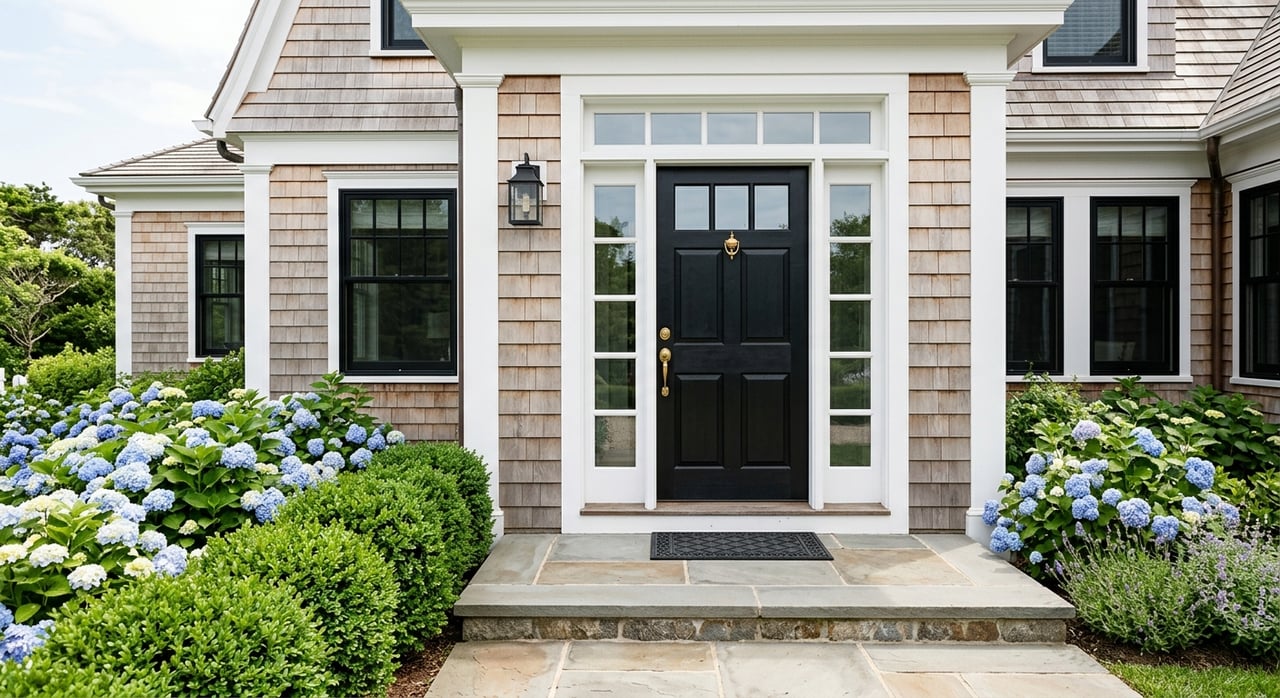
- Front exterior and arrival view
- Main living spaces in natural light
- Each legal bedroom
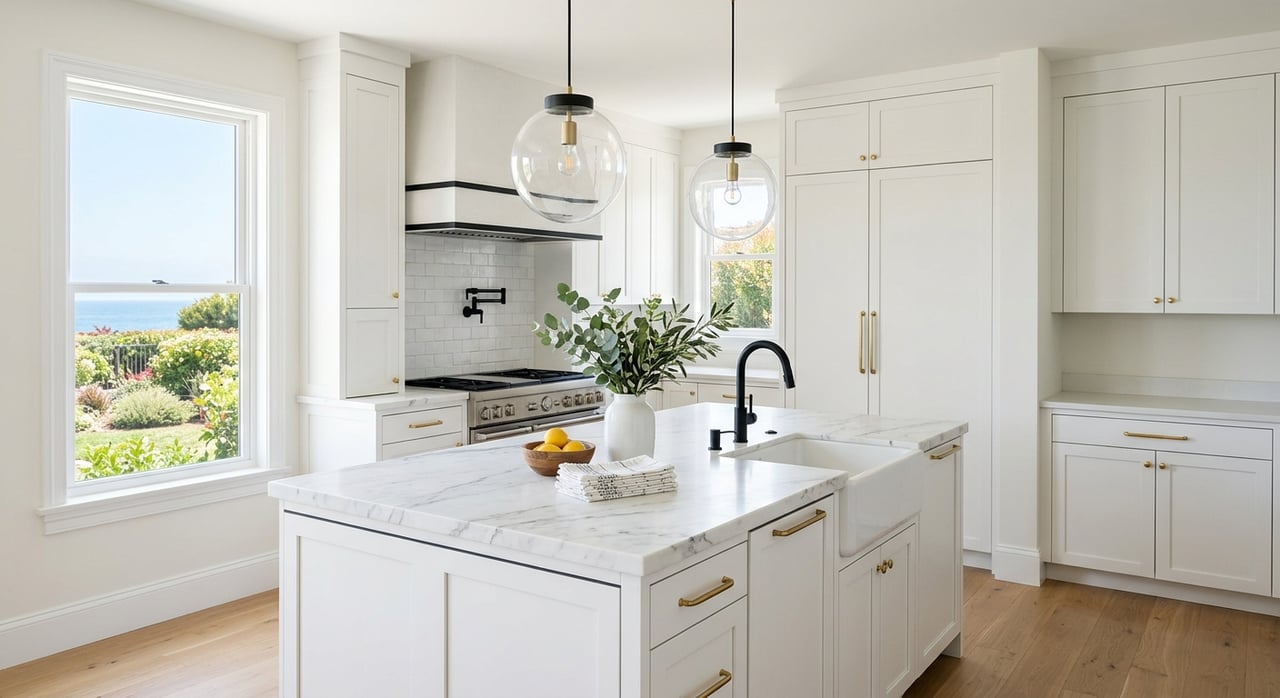
- Kitchen and dining flow
- Bathrooms in clean, bright detail
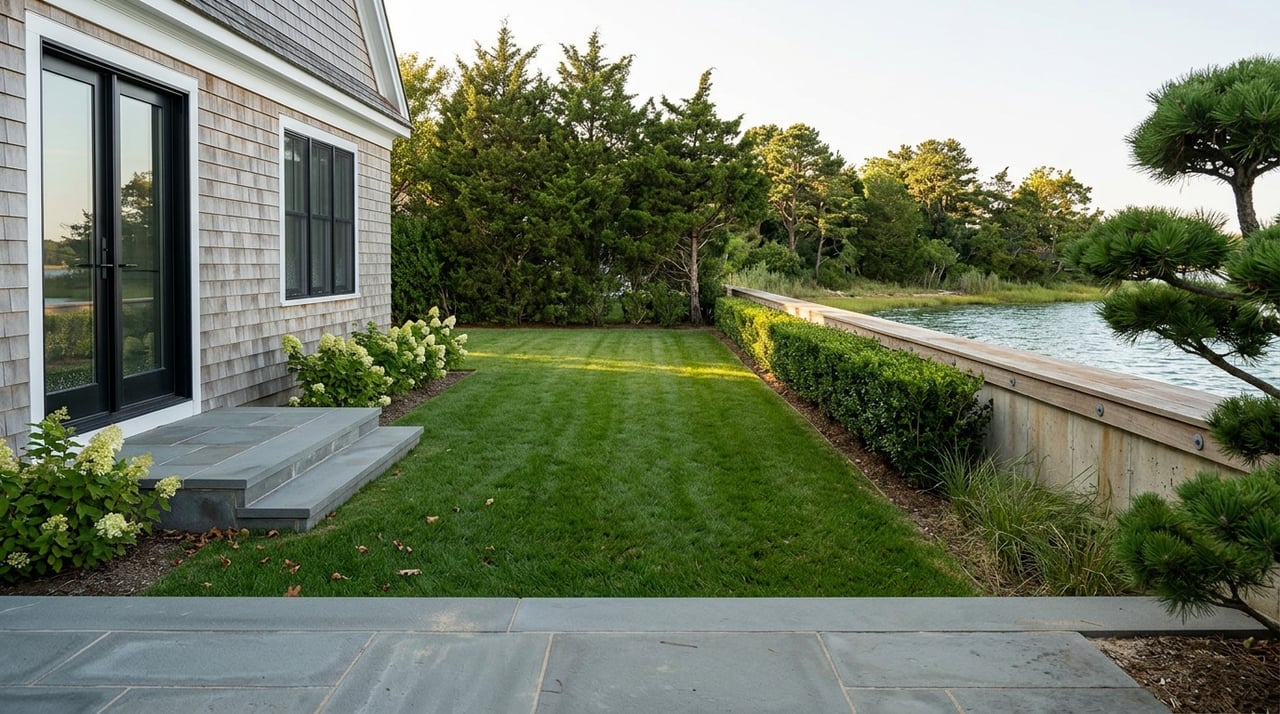
- Patio, lawn, and pool areas
- Driveway and parking setup
- Any workspace or bonus room that adds value
For this market, practical visuals matter. If parking is easy, show it. If the pool area feels private, show that. If outdoor dining is a strength, make it visible.
Write a Description That Feels Real
Airbnb recommends explaining what the stay is like, what the location is like, and what practical details guests need to know. It also warns against overselling.
That advice is especially useful in Remsenburg-Speonk. Your best listing copy will sound grounded, specific, and confident.
What Strong Rental Copy Should Communicate
A good description should help renters understand both the feeling and the function of the property. It should set expectations clearly while still creating desire.
Focus on:
- The overall atmosphere of the home
- Whether the property feels renovated or turnkey
- How indoor and outdoor spaces connect
- What practical features support a longer stay
- The home’s permitted bedroom count and parking reality
- The area’s quiet, residential setting
Avoid generic claims that could fit any Hamptons rental. The more your description sounds true to this exact home and this exact location, the stronger it will be.
Price Within the Right Competitive Lane
Realtor.com reports that peak season is generally July and August, with Memorial Day through Labor Day treated as the season. It also notes broad seasonal pricing ranges across the Hamptons, from about $35,000 to $60,000 for entry rentals, $65,000 to $120,000 for renovated 3 to 4 bedroom midtier homes, and much higher for prime village, near-ocean, or ultraluxury properties.
For a Remsenburg-Speonk property, the likely competitive lane is often below prime village or oceanfront comparables unless the home has standout waterfront position, a pool, or exceptional finish quality. Pricing should reflect what the home offers in its actual micro-market, not what top-tier locations command.
Timing Matters as Much as Price
Realtor.com’s reporting also says serious Hamptons renters often start early, especially in February and early March. If you wait too long, you may miss part of the audience looking for the best-prepared homes.
That is one reason an early strategy matters. When your permit, presentation, photography, and pricing are aligned before peak search season, your home has a much better chance of standing out.
Why Brokerage Marketing Can Be the Better Fit
Many top Hamptons rentals are never publicly marketed, according to Realtor.com. The best results often come through real estate professionals rather than open-market booking platforms alone.
For a polished Remsenburg-Speonk rental, that can be a major advantage. A direct brokerage strategy can help position the home more carefully, present it with stronger visuals, and reach renters looking for a curated seasonal experience rather than a quick online booking.
A design-led approach is especially valuable when your goal is premium pricing and a better quality of inquiry. When the home is prepared thoughtfully and marketed with precision, renters see the difference.
If you are thinking about renting out your Remsenburg-Speonk home seasonally, the strongest results usually come from getting the details right from the start. From permit timing and tax structure to design choices, photography, and pricing, each step shapes how your home is perceived and how quickly it rents. If you want a tailored strategy for positioning your property, connect with Natalie Lewis for a personalized consultation.
FAQs
What permit do you need to rent a home in Remsenburg-Speonk?
- Because Remsenburg-Speonk is in the Town of Southampton, you need a valid Southampton Town rental permit before the home can be rented, listed, advertised, shown, or offered for lease.
What is the minimum rental period for a seasonal rental in Remsenburg-Speonk?
- Southampton Town currently requires a minimum stay of 14 days for rental properties.
Can you advertise a Remsenburg-Speonk rental before the permit is issued?
- No. Southampton Town says a property may not be listed, advertised, shown, or offered for lease without an active rental permit, and the advertisement must include the permit number.
What taxes apply to short-term rentals in Remsenburg-Speonk?
- Suffolk County says short-term lodging of less than 30 days must collect a 5.5% occupancy tax, and New York State says state and local sales tax also applies to qualifying short-term rental occupancy.
What amenities help a Remsenburg-Speonk seasonal rental stand out?
- High-demand features include a pool, Wi-Fi, free parking, air conditioning, kitchen access, washer and dryer, self check-in, outdoor dining, and clear essential supplies like towels and linens.
When should you start marketing a Hamptons seasonal rental?
- Realtor.com reports that February and early March are the traditional window for serious Hamptons renters, so it helps to start planning well before then to allow time for permits, photos, and pricing strategy.